Coming Soon: Fur Trade, Frontier, Native History
& Current Culture. Powwows Anyone?
Coming Soon: Fur Trade, Frontier, Native History & Current Culture. Powwows Anyone?
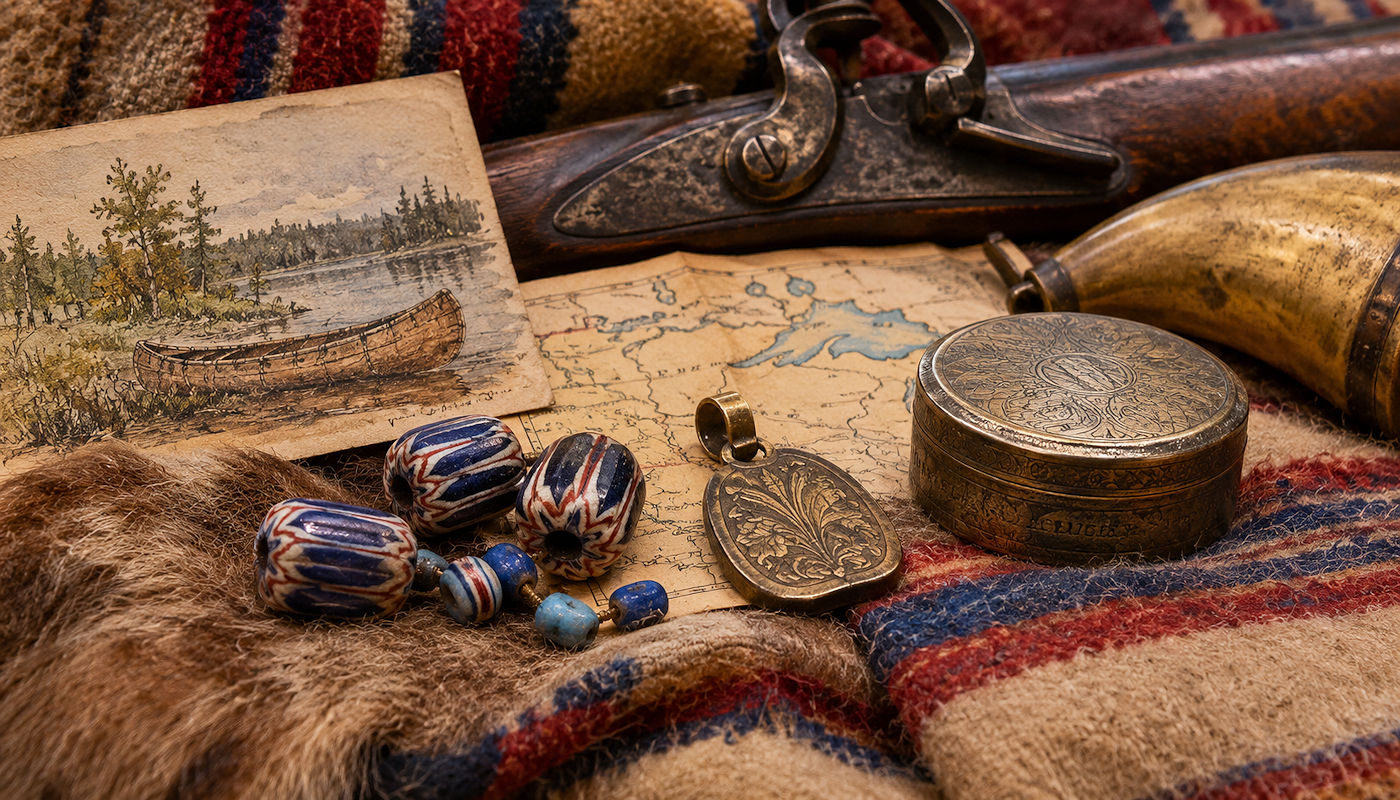
We’ve been hard at work researching and expanding a number of new Crazy Crow Learning Center articles. From trade beads and bison to gift diplomacy, frontier waterways, the U.S. Factory System, and the larger forces that shaped North America, these upcoming stories explore the people, places, and trade networks behind the history we love.
1. The 1837 Rocky Mountain Rendezvous: A Painter Captures a Vanishing World
In the summer of 1837, a young Baltimore artist named Alfred Jacob Miller accompanied wealthy Scottish traveler William Drummond Stewart to a remarkable gathering on the Green River in present-day Wyoming. What Miller witnessed was one of the great Rocky Mountain fur trade rendezvous, where trappers, traders, supply caravans, and thousands of Native Americans assembled to exchange furs, merchandise, news, and hospitality. Miller’s paintings provide an extraordinary visual record of mountain man life that photographs could never have captured. But beneath the color and excitement, the economics of the beaver trade were changing rapidly. John Jacob Astor had already sold his western fur business in 1834, European fashions were shifting away from beaver-felt hats, and the American economy was entering the Panic of 1837. Only three more annual Rocky Mountain rendezvous remained. Miller had captured not simply a celebration, but a commercial system approaching the end of its brief and extraordinary existence.
2. Tracking a Conquistador with Beads: The Lost World of 1540
In 2015, Crazy Crow published an article about an extraordinary archaeological discovery: rare European glass beads unearthed in Georgia that helped identify the possible route of Spanish conquistador Hernando de Soto’s expedition of 1540. But the beads were only the beginning of a much larger story. De Soto’s chroniclers encountered powerful, populous Native American chiefdoms, extensive agricultural communities, and sophisticated political societies across the Southeast. When French explorer La Salle traveled the Mississippi River some 140 years later, he entered a world profoundly transformed by epidemics, warfare, forced migration, and the disruption of Indigenous societies. What happened during those intervening generations? How did those changes affect the civilizations that European fur traders, explorers, and settlers would subsequently encounter? Our expanded article will follow those remarkable beads into the much larger story of America’s becoming.
3. The American Buffalo Isn’t! A Name, a Civilization, and a Near Extinction
The animal Americans have called the buffalo for centuries isn’t scientifically a buffalo at all. It’s the American bison, Bison bison, a different animal from the true buffalo of Africa and Asia. But its name is only the beginning of a remarkable story stretching from the Ice Age through the civilizations of the Great Plains. Long before Europeans brought horses or firearms to North America, Indigenous hunters developed sophisticated methods of harvesting bison, an animal central to food, clothing, shelter, trade, and spiritual life. By the 1870s, however, industrial demand for hides, improved tanning methods, powerful cartridge rifles, and expanding railroads transformed bison hunting into a commercial enterprise of unprecedented scale. Within a few decades, immense herds were reduced to scattered survivors, with devastating consequences for Plains Indian nations. How did one of North America’s greatest natural resources become the object of one of history’s most destructive commercial hunts?
4. Gift Diplomacy: When a Blanket, Silver Pendant, or Trade Gun Could Influence an Empire
Long before the American frontier was divided into states and territories, European powers and Native American nations conducted an elaborate diplomacy in which gifts were instruments of friendship, obligation, influence, and political alliance. The French, British, and eventually Americans distributed trade silver, brass ornaments, peace medals, blankets, cloth, tobacco, firearms, and countless other goods to establish and maintain relationships with Indigenous leaders. Smaller possessions—including decorated tobacco boxes, snuffboxes, metal containers, trade pendants, and other useful or ornamental objects—became part of the material culture of the frontier. Even the familiar smoothbore trade gun tells a story of manufacturing, economy, hunting practices, and political control. But gift diplomacy was never merely a European scheme to purchase loyalty. Native nations had their own expectations, diplomatic traditions, commercial interests, and considerable negotiating power. Understanding these exchanges helps explain how alliances were made, broken, and remade throughout the fur trade era.
5. Market Hunting: When Wild Animals Became Merchandise for Distant Markets
When we think of early American hunting, we often imagine a frontiersman providing food for his family. Yet for centuries, enormous numbers of wild animals were hunted primarily because their skins, furs, feathers, meat, or other products commanded prices in distant markets. This was market hunting, and it helped shape North American history long before the great buffalo slaughter. In the eighteenth century, longhunters crossed the Appalachians in pursuit of deer, supplying a thriving deerskin trade connected to southern export ports. Elsewhere, beaver pelts traveled from remote North American watersheds to European hatmakers, while other hunters pursued birds, bears, and countless additional species for commercial sale. Eventually, the railroads and industrial markets made the mass harvesting of bison hides extraordinarily profitable. Market hunting was not simply an occupation; it was an economic force that influenced exploration, settlement, transportation, international commerce, and the survival of wildlife populations.
6. The Boundary Waters: Ancient Highways That Helped Create New Communities
Today, the Boundary Waters Canoe Area Wilderness evokes quiet lakes, forests, and remote canoe travel. Yet these waterways were once part of an extraordinary transportation network that connected Indigenous communities, French voyageurs, British fur companies, and eventually American traders across enormous distances. Long before modern roads existed, canoes carried furs, trade goods, correspondence, and travelers through interconnected lakes and rivers, sometimes requiring punishing portages around waterfalls and rapids. Along Lake Superior, places such as Grand Portage became major commercial centers, while sheltered harbors such as Grand Marais developed their own histories as trading, fishing, and shipping communities. Geography determined where people traveled, where commerce gathered, and where settlements might survive. The history of these waterways is also the history of how Native trade routes influenced the towns, ports, boundaries, and communities of the northern frontier.
7. Venetian Trade Beads and the African Slave Trade: An Unexpected Global Connection
How did glass beads manufactured in Venice become important merchandise in the African slave trade? For centuries, Venetian glassmakers produced extraordinarily beautiful beads whose colors, patterns, and craftsmanship made them desirable in markets thousands of miles from Italy. By the seventeenth and eighteenth centuries, European merchants were transporting enormous quantities of beads to Africa, where they entered established commercial and cultural exchange networks. Some became part of the cargoes used by European traders to purchase enslaved Africans for transportation across the Atlantic. But the story is considerably more complex than the familiar image of Europeans exchanging inexpensive trinkets for valuable commodities. Beads had genuine cultural and commercial value in African societies, with preferences differing among regions and peoples. Their history connects Mediterranean glassmakers, African merchants, European maritime empires, Indigenous American trade, and the economics of slavery in ways that deserve a much closer examination.
8. How Frontiers Developed: From Canoe Landing to Trading Post, Town, and County
How does an isolated trading post become a town, then perhaps a county seat or an important commercial center? And why do so many others simply disappear? The history of North America’s frontiers was never one orderly westward procession of explorers, fur traders, soldiers, and settlers. Instead, regions developed at different times and at remarkably different speeds, shaped by geography, Native American trade networks, international rivalries, military requirements, transportation routes, and changing commercial opportunities. A canoe landing might become a busy fur depot, a military fort might attract merchants and families, or a frontier settlement might flourish when a railroad arrived. Other communities vanished when trading companies departed, markets collapsed, resources were exhausted, or new routes bypassed them. These developments also transformed or displaced Indigenous communities already occupying those lands. Follow the history of individual trading posts, forts, and frontier towns, and a much larger story emerges: the uneven, interconnected development of North America.
9. The U.S. Factory System: When the Federal Government Operated Indian Trading Posts
Did you know that the United States government once operated its own network of trading posts in direct competition with private fur traders? Beginning in the 1790s, the federal government established what became known as the Indian Factory System—not manufacturing factories, but government-operated stores managed by officials called factors. These establishments exchanged manufactured goods for furs and other products at locations including Green Bay, Chicago, Prairie du Chien, and Fort Osage. Washington promoted the system partly as a means of protecting Native Americans from dishonest private traders and maintaining peaceful relations. Yet government documents reveal another ambition: using control of essential trade supplies to influence Native nations and strengthen federal authority on the frontier. The system also generated political controversy and opposition from private merchants before Congress abolished it in 1822. Its brief existence opens a fascinating window into early American economic policy, federal power, Indigenous diplomacy, and the struggle between government and private enterprise.
10. Before the Horse: How Plains Indians Hunted the American Bison
Long before horses transformed life on the Great Plains, Native American hunters had developed remarkably sophisticated methods of harvesting an animal that could weigh well over a thousand pounds and outrun a human with ease. Perhaps the most dramatic was the buffalo jump, where entire communities worked together to guide herds through carefully prepared drive lanes toward a steep cliff or natural trap. These hunts required extraordinary knowledge of animal behavior, terrain, wind direction, seasonal movements, and the coordination of many participants. The successful harvest that followed provided food, hides, bones, sinew, and other valuable materials. Archaeological sites reveal that variations of these communal hunting methods existed for thousands of years before European contact. The later arrival of horses and firearms changed the economics, mobility, and social organization of Plains hunting, but the earlier achievements deserve recognition in their own right.
11. What’s in a Mountain Man’s Possibles Bag? Small Objects with Big Histories
The familiar mountain man’s possibles bag may have contained little more than a collection of ordinary-looking tools, yet nearly every object carried a story of technological change, trade, and adaptation to frontier life. Consider a small antler-handled pick used to keep a firearm’s ignition passage clear, a brass or tin tobacco box, a bullet mold, an awl, a turnscrew, a fire-starting kit, or a pouch containing gunflints and other necessities. Some objects originated in European workshops; others were made or modified by Native American craftsmen or frontier hunters themselves. Even the difference between a flintlock touchhole pick and a percussion nipple pick helps date equipment to particular periods of firearm development. Looking closely at the everyday possessions of hunters and traders opens a window onto the larger material culture of the fur trade—and the commercial networks that brought these indispensable objects to the American wilderness.
Check back soon as these new Learning Center stories are completed and added to the Crazy Crow website.
Crazy Crow Articles

Current Crow Calls Sale
November – December 2026
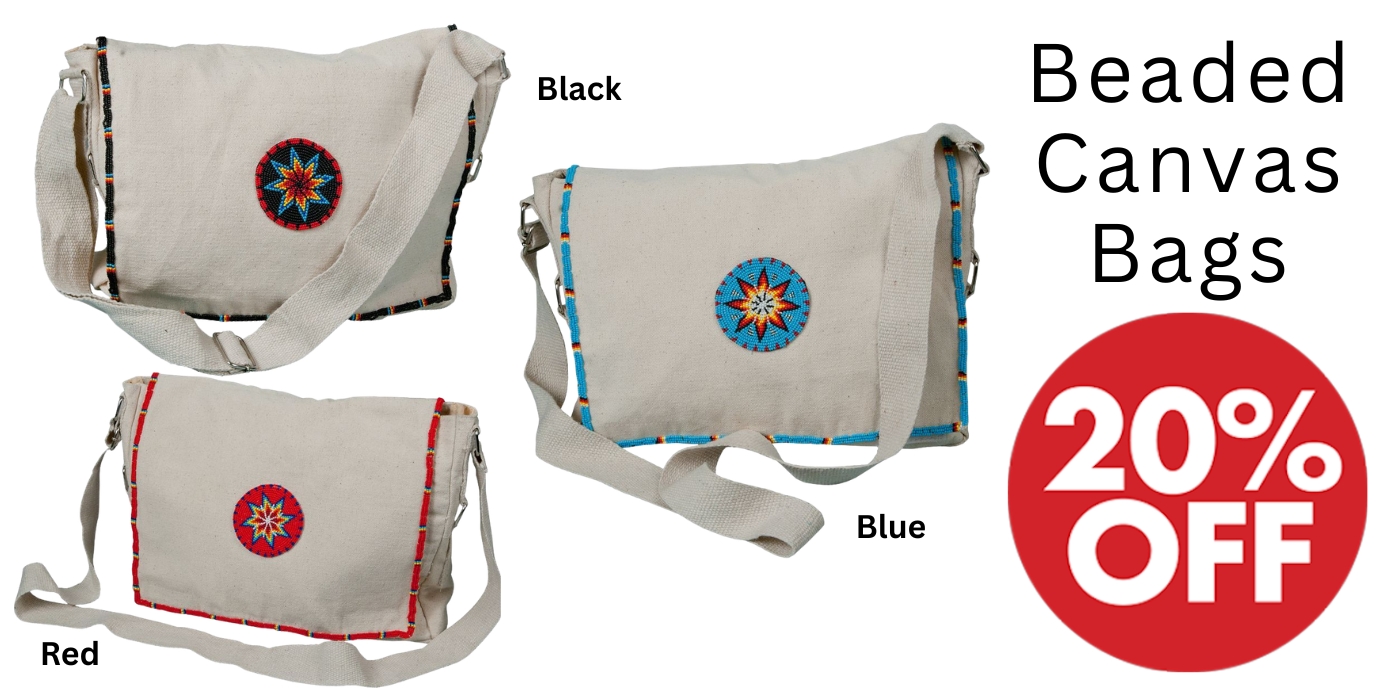
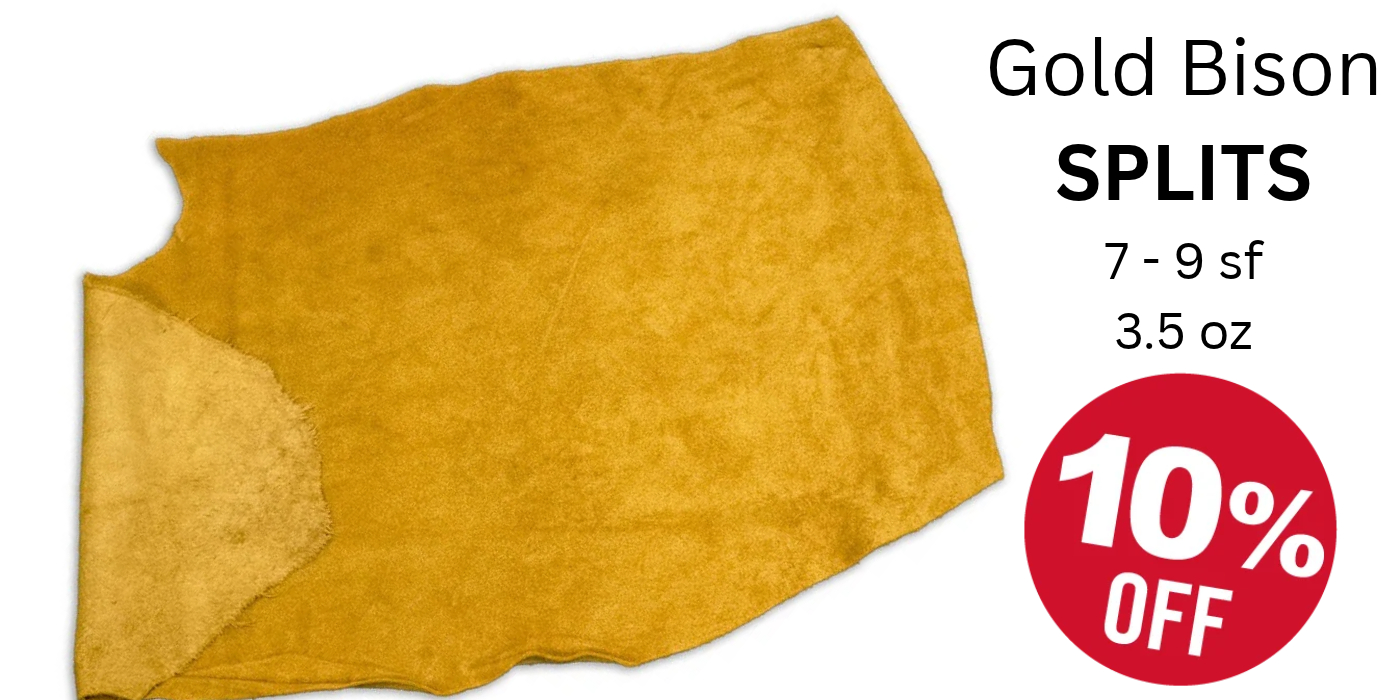
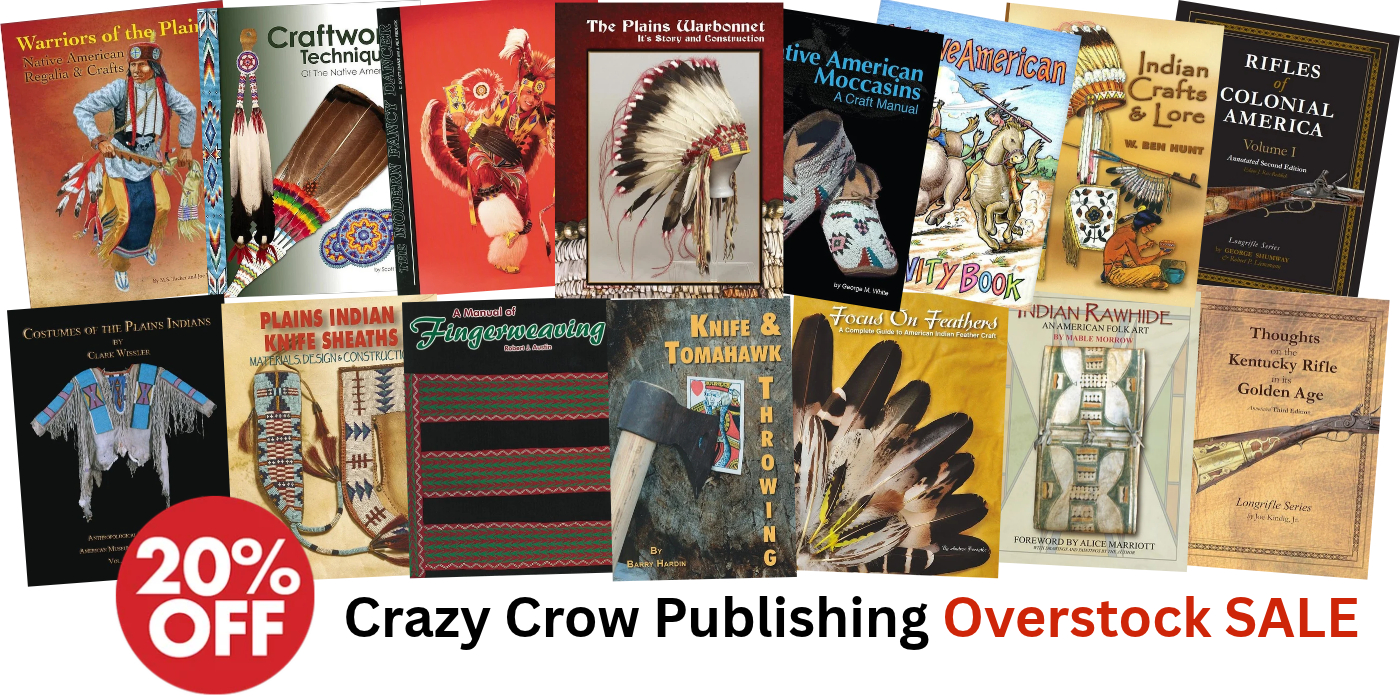
It’s not too early to get start your holiday shopping!. Take advantage of great deals during our November – December Crow Calls Sale! SAVE 10%-20% on popular powwow, rendezvous, historic reenactor, bead & leather crafter supplies. This sale offers many popular items such as: Fan and Feather Cases, White Garment Buckskin, Buffalos Robes, Beaded Canvas Bags & Totes, Beading Kits, Strung Fluffs, Eagle’s View Patterns, a HUGE book sale (20%-50% off), Carbon Steel Hunter & Skinner Knife Blades & more.