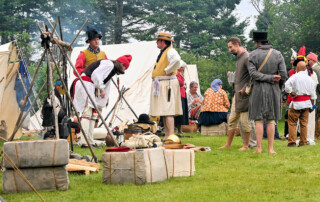
Fur Trade Gift Diplomacy in the Pays d’en Haut Great Lakes Area 16th-19th Centuries

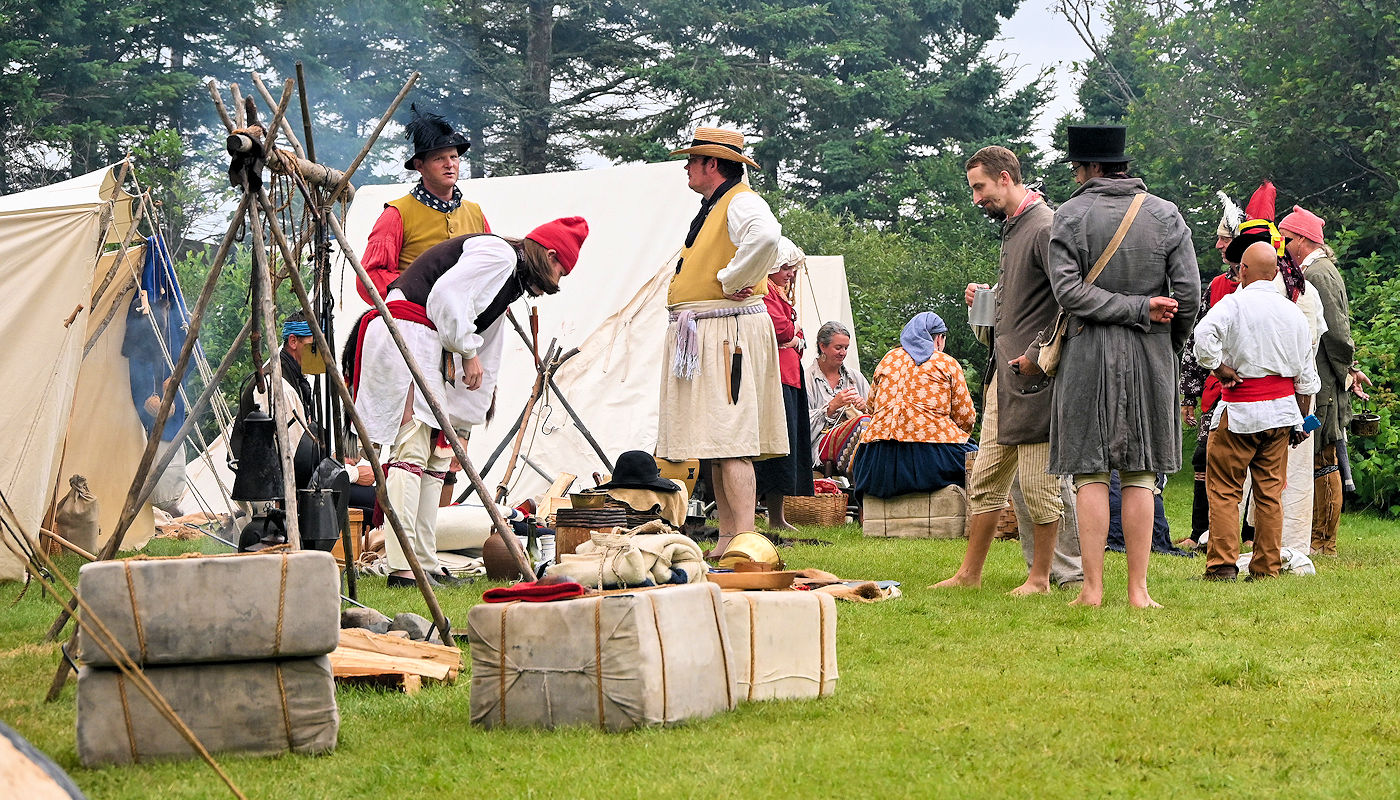
In the vast and contested landscapes of North America, particularly the Pays d'en Haut—the "upper country" (the "upper country" encompassing the Great Lakes region, including parts of modern-day Michigan, Wisconsin, Minnesota, Ontario, and Quebec)—gift diplomacy was the lifeblood of the fur trade. This practice was not merely an exchange of material goods but a profound cultural and political mechanism for forging alliances, maintaining peace, and ensuring the flow of furs that drove colonial economies.
Fur Trade Gift Diplomacy in the Pays d’en Haut Great Lakes Area 16th-19th Centuries2026-02-13T21:23:38+00:00

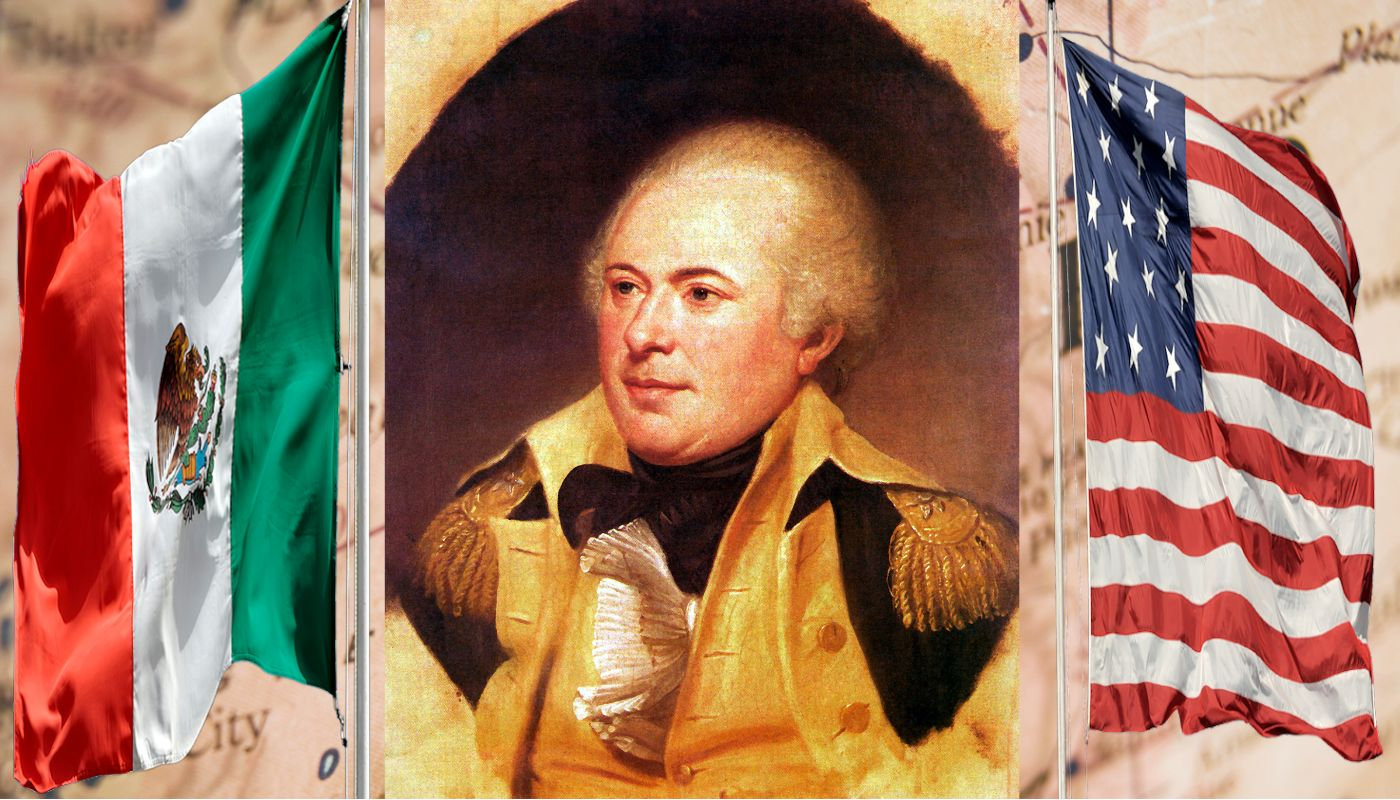
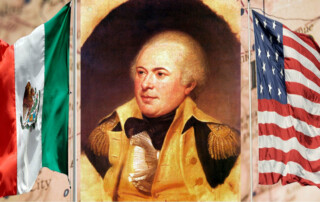
James Wilkinson: America’s Forgotten Traitor

Though dispatched by a traitor, Zebulon Pike’s expeditions produced maps and journals that became foundational to America’s westward expansion. His reconnaissance informed the placement of frontier forts, guided fur trade routes, and inspired generations of explorers and settlers. This post explores Pike’s unintended legacy and his role in transforming espionage into empire-building.

James Wilkinson: America’s Forgotten Traitor2025-10-03T19:41:24+00:00

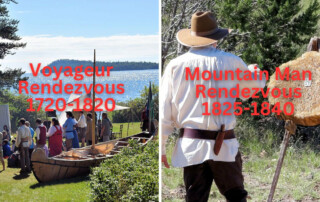
Difference in a Mountain Man Rendezvous and Voyageur Rendezvous

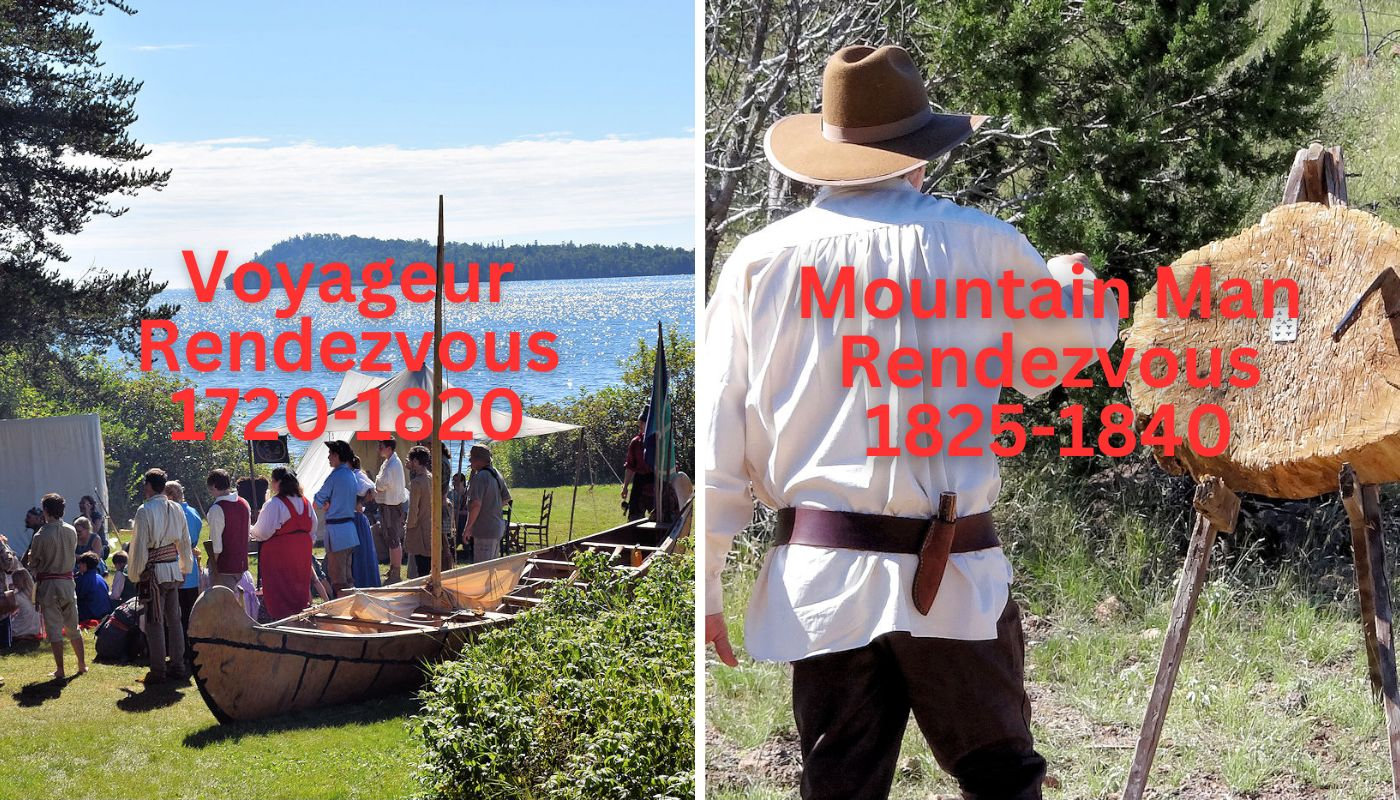
After years of maintaining a Rendezvous Calendar, we felt it was time to answer a often asked question: What is the Difference in a Mountain Man Rendezvous and Voyageur Rendezvous? In North American history, a rendezvous was a wilderness gathering that took place at established camps or river and lake junctions used by those involved in the fur trade. All of these rendezvous ultimately included a major transfer of furs and goods to be traded for furs. In North America during the fur trade era, from the 16th century to the mid-19th century, this included the Voyageur Rendezvous and the Mountain Man or Buckskinner Rendezvous.

Difference in a Mountain Man Rendezvous and Voyageur Rendezvous2026-01-02T15:20:14+00:00

History of Silver & Gold Heishi in Southwestern Native American Jewelry

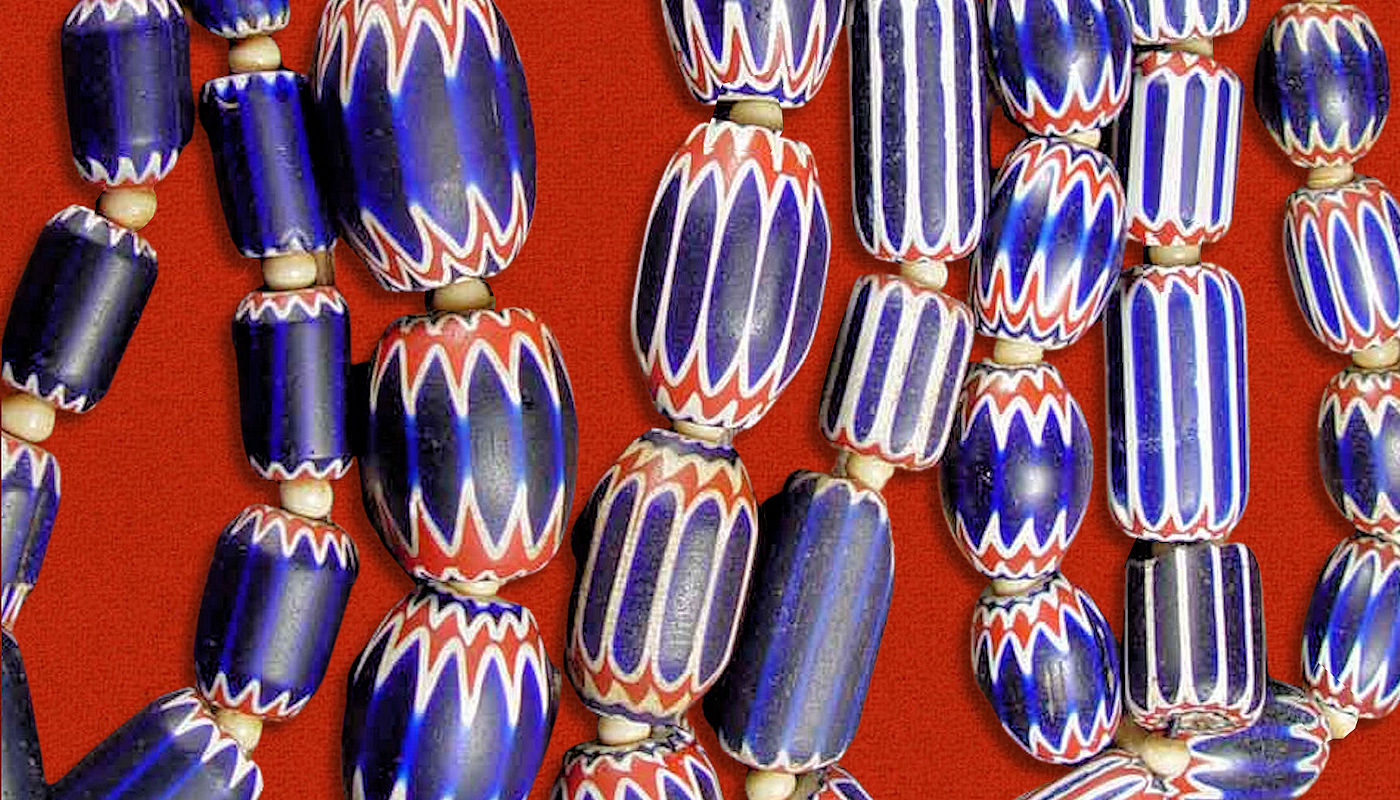
The history of silver and gold heishi in Southwestern Native American jewelry is deeply rooted in cultural traditions. Heishi beads, originating from the Santo Domingo (Kewa) Pueblo in New Mexico, are among the oldest forms of jewelry in the Southwest. Traditional was made from natural materials like shells and stones, meticulously shaped into small, uniform pieces. The term "heishi" derives from the Keresan word meaning "shell bead".

History of Silver & Gold Heishi in Southwestern Native American Jewelry2025-03-01T16:31:45+00:00

Fountainhead of the Lake George School of Horn Engravers

John Bush, a Black American provincial soldier, and one of the first of the Lake George school of horn engravers, became renowned for his intricate and artistic powder horn engravings. His contributions to the craft were significant, though his life was short and tragically ended after being captured in 1757 at the Battle of Fort William Henry during the French and Indian War.

Fountainhead of the Lake George School of Horn Engravers2025-03-01T19:10:58+00:00

The End of the Trail Sculpture: An Iconic Symbol

The "End of the Trail" image, created by American sculptor James Earle Fraser, has become an iconic symbol in the U.S. , depicting a weary Native American man on horseback, symbolizing the end of the Native American way of life & era. Fraser was born in Winona, MN, and spent much of his childhood on the Great Plains in Mitchell, SD. The sculpture was more than just a piece of art for Fraser, but a meaningful reminder of his childhood spent on the American frontier.

The End of the Trail Sculpture: An Iconic Symbol2025-09-01T16:35:14+00:00

LaMaster Arms: A Place for Enthusiasts, Collectors, Historians and Builders

  Rate This Article LaMaster Arms: A Place for Enthusiasts, Collectors, Historians & Builders Brian LaMaster: Master Gunsmith, Craftsman, & Artist LaMaster Arms: A Place for Enthusiasts, Collectors, Historians & Builders Brian LaMaster: Master Gunsmith, Craftsman, & Artist LaMaster Arms buys, sells and provides consultations for antique firearms [read more]

LaMaster Arms: A Place for Enthusiasts, Collectors, Historians and Builders2025-09-26T18:51:15+00:00

Rifles of Colonial America – Volume 1, 2nd Edition in Color

In-depth photographic study of longrifles and gunmaking in Colonial, Revolutionary, and post-Revolutionary periods. 92 rifles reviewed, with 10 or more detailed photographs. A description of each rifle accompanies the photographs, and many important dimensions are given. Text covers the complex subject, the evolution of the baroque and rococo art that adorns these rifles.

Rifles of Colonial America – Volume 1, 2nd Edition in Color2024-06-21T10:48:36+00:00

History of Writing in Colonial America

Writing in the Colonial America era, was a complex technical process that required an array of materials and techniques, many of which were often difficult or expensive to acquire. Some of the personal writing tools used in colonial America included quill pens, ink, journals, paper, stoneware inkwells, sealing wax (the idea of separate envelopes did not exist) and portable writing desks that could be placed on another table top or in the lap. Formal writing instruction was deliberately limited to certain elite classes of the time of both sexes and men of business and trade.

History of Writing in Colonial America2025-09-26T18:59:30+00:00
Go to Top